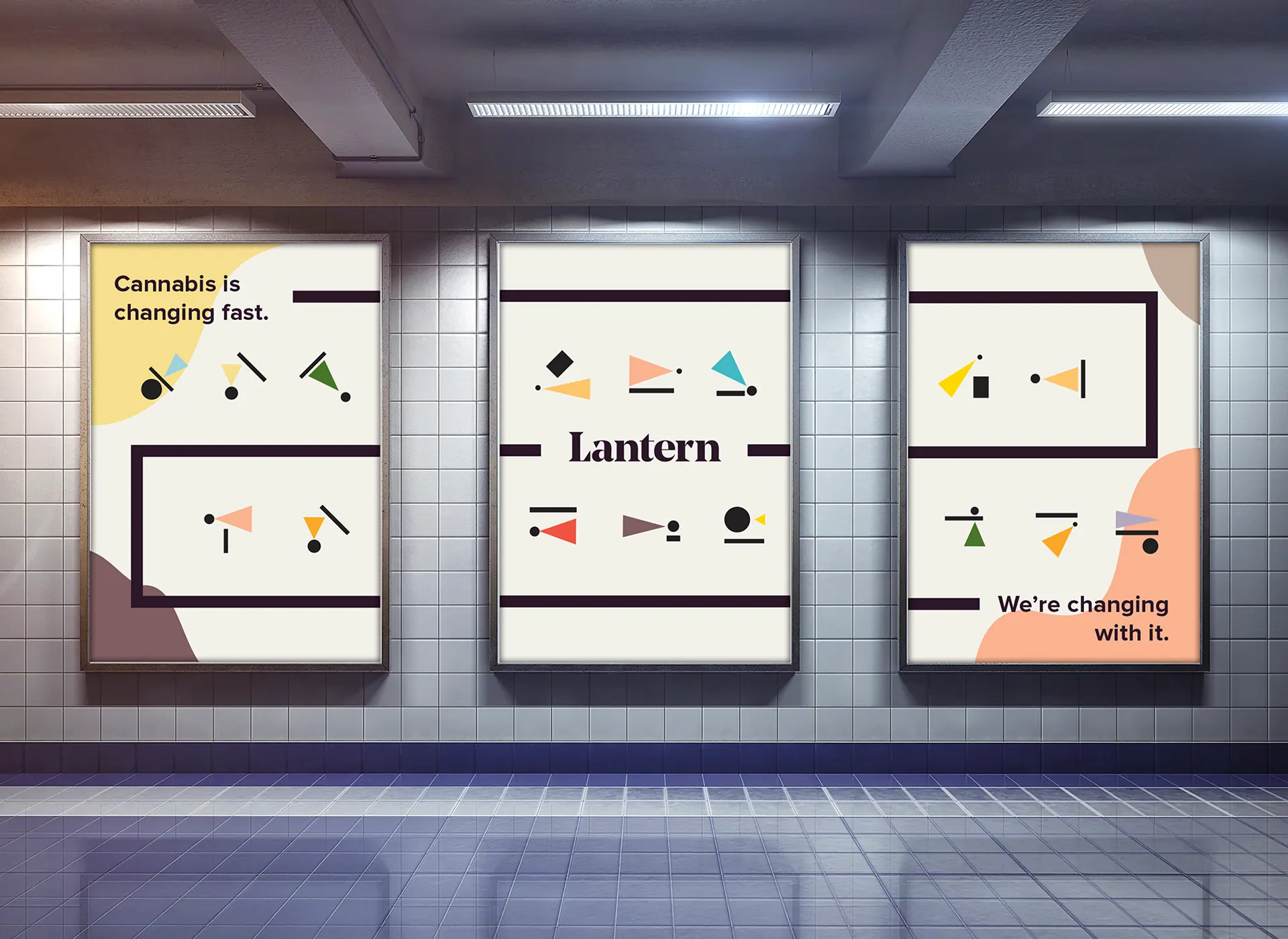
Challenge
As cannabis legalization expanded across the US, Drizly saw an opportunity to enter the market. But the industry was chaotic — laws changing faster than companies could keep up, very little scientific research available, and a consumer base that was either curious but scared, or experienced but underserved. The central question: How might you design a cannabis venture that impacts people positively and creates new value for Drizly?
insight
Cannabis is deeply personal — and nobody was treating it that way. Users weren't looking to be sold to. They were looking for a trusted guide. The dispensary experience was improving, but still falling short. Beautiful packaging, unhelpful information. Three things became clear: Choice was paralyzing. Legalization created an explosion of options most people weren't equipped to navigate. The knowledge gap was real. And the stakes felt personal — whether someone was managing chronic pain, trying to be a better parent, or just unwinding after work, cannabis use was tied to identity, discretion, and self-image.
Solution
The brand essence was built around a single idea: Safe Discovery. The brand archetype captured something between a strict doctor and a stoner friend — Knowledgeable but approachable. Transparent but not preachy. Our six design principles guided every decision to create a new way to browse product. Not a catalog, but a compass.
Safe discovery, not just delivery. The brand essence was built around the idea of being a "Sensible Pioneer" — a transparent concierge that helps people make informed decisions at their own pace, without feeling manipulated.
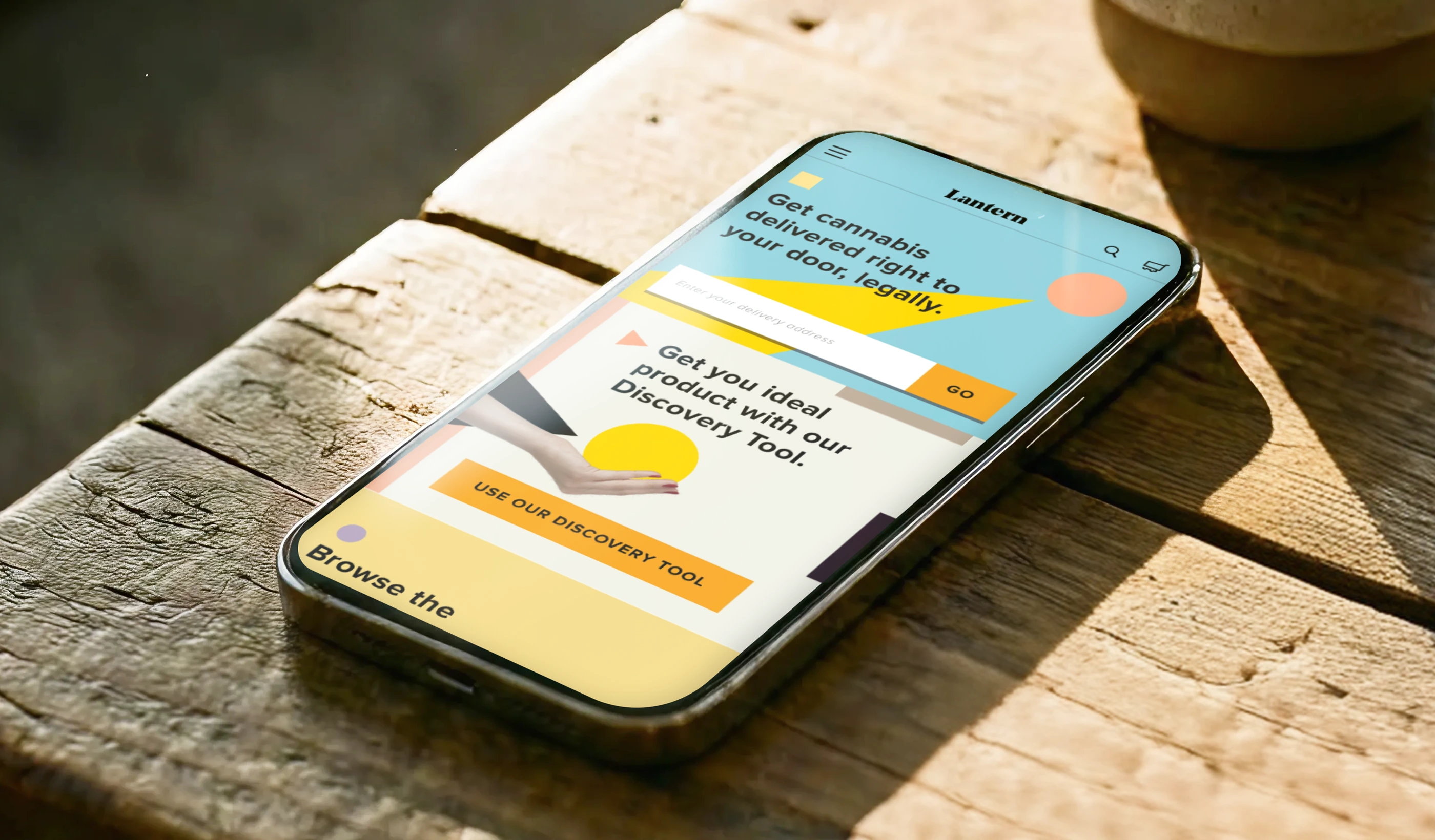
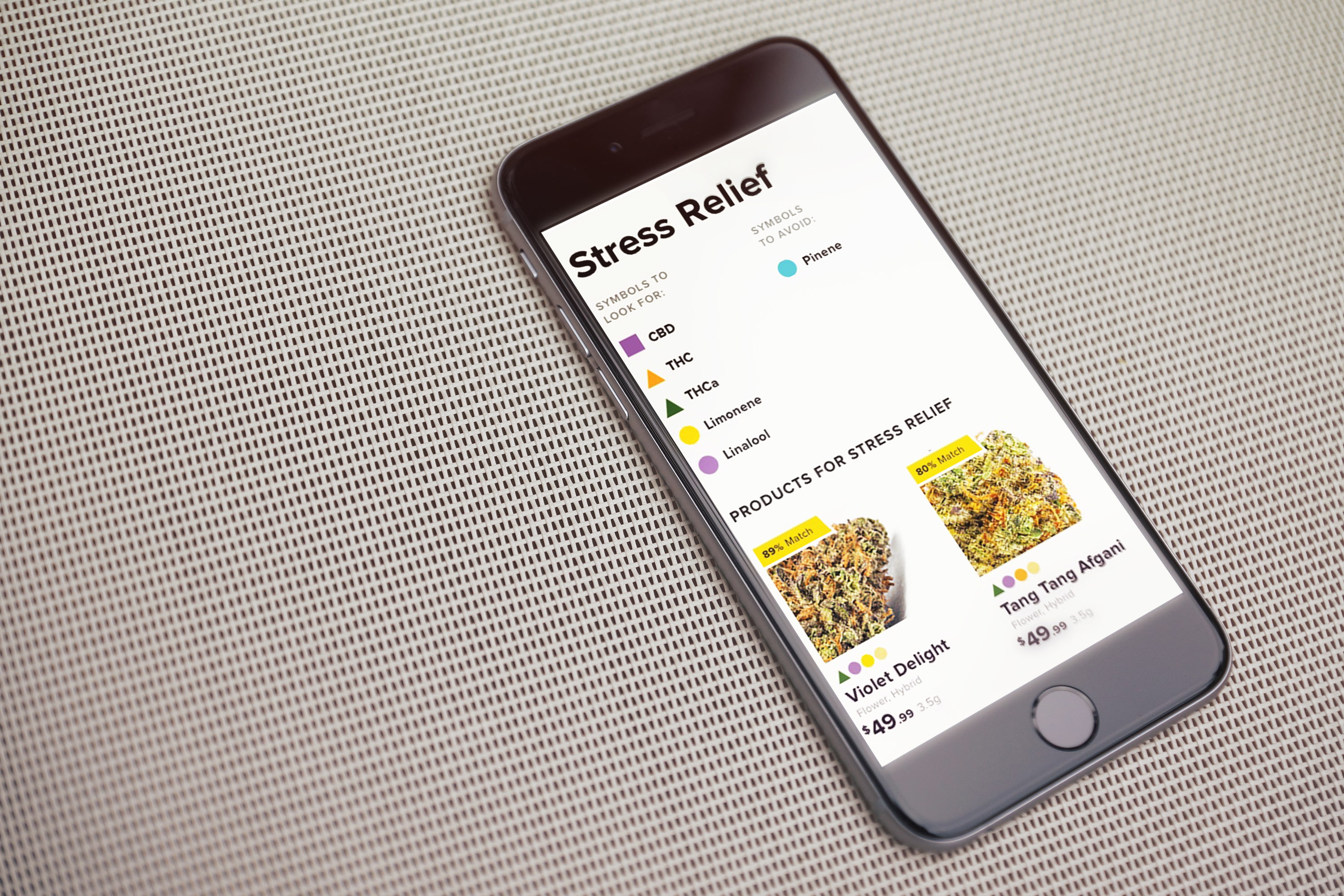
A personalization engine, not a catalog. The core product was the Lantern Cannabis Discovery Tool — a guided quiz that combined user preferences, stated goals, medical context, and aggregated usage data to surface the right products for each person. Flower for one user, topicals for another.
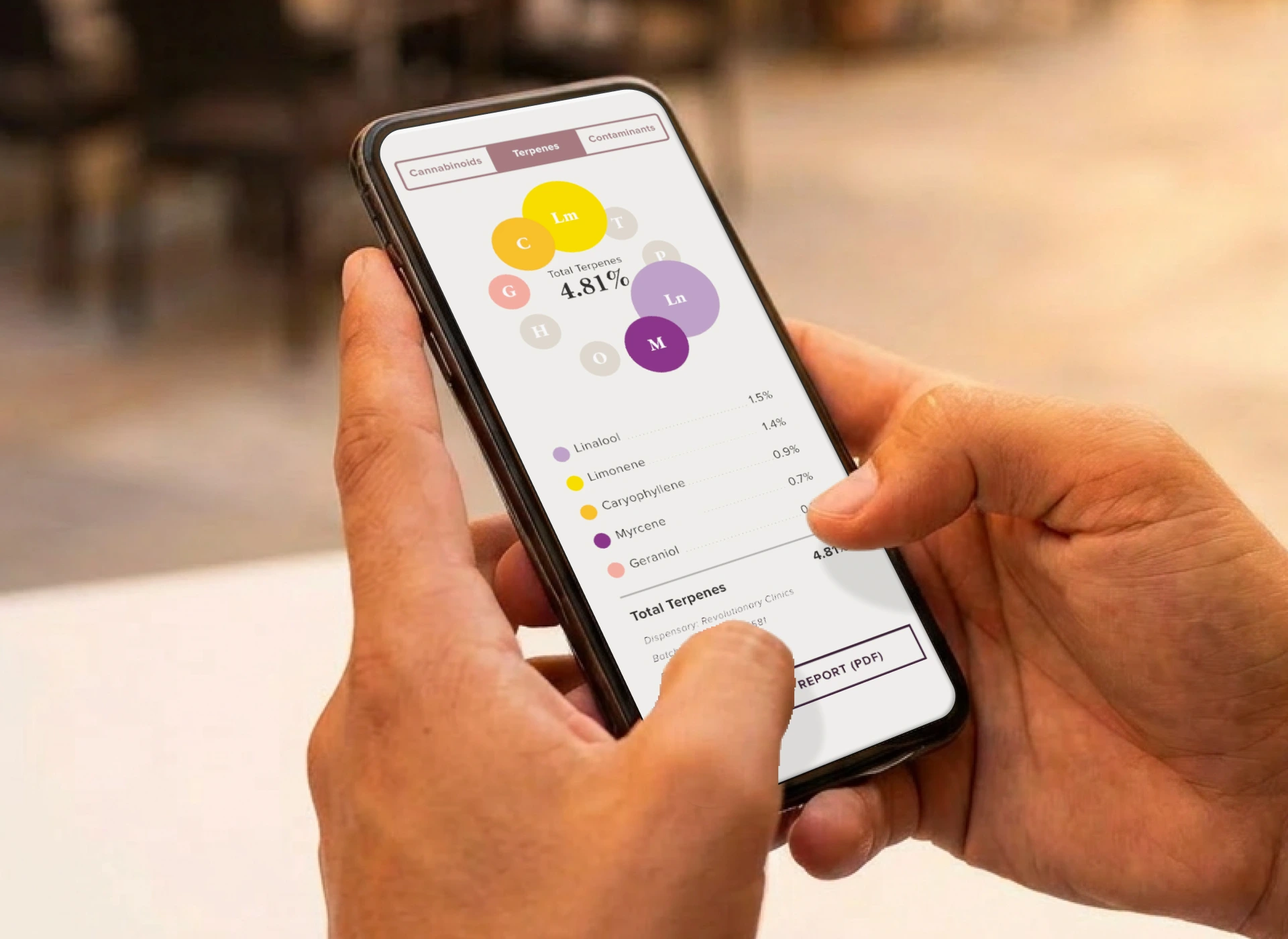
Self-service confidence. Detailed product pages surfaced terpene profiles, cannabinoid data, and research-backed effects so users could understand why a product was recommended — not just that it was.
Scroll up and down


Research
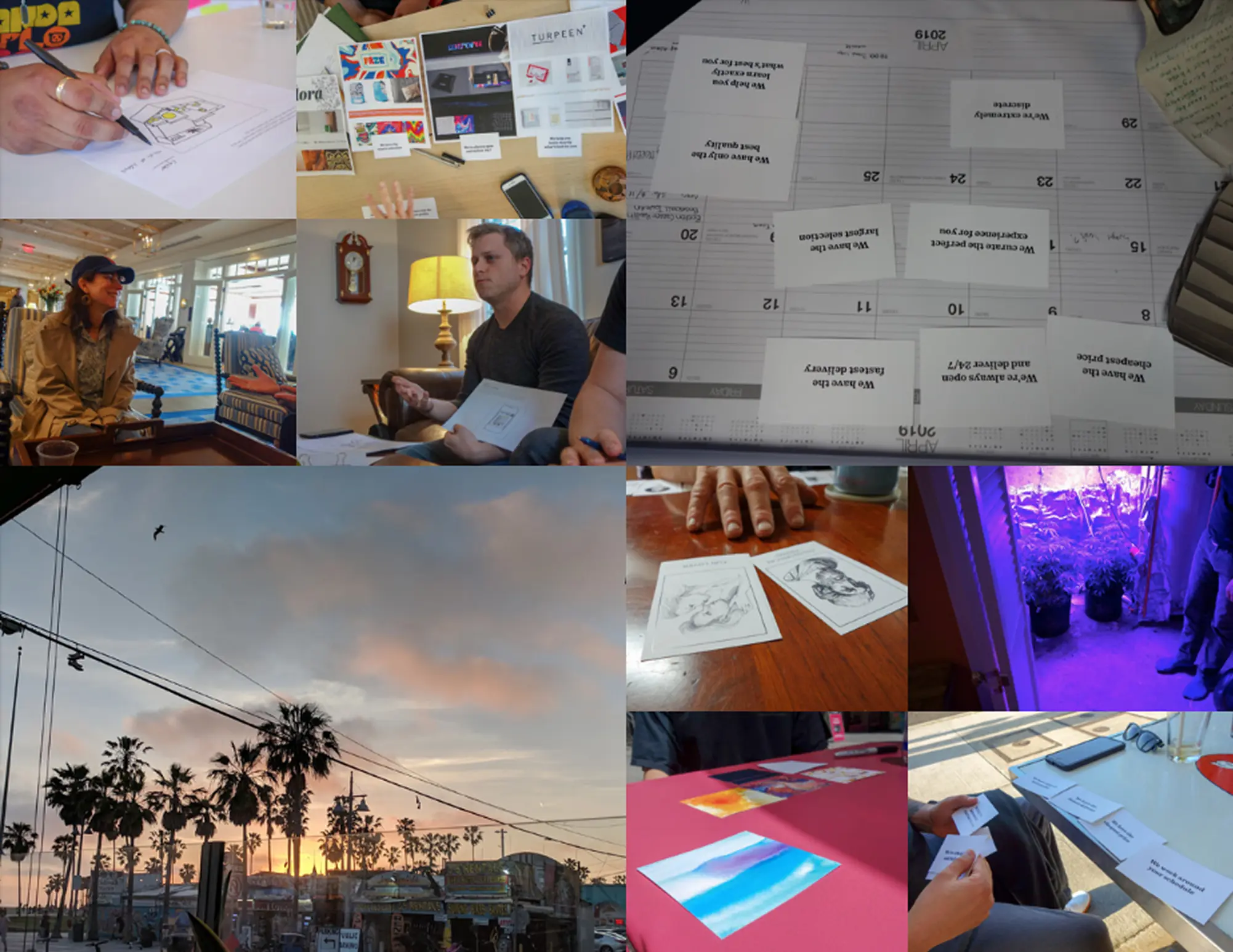
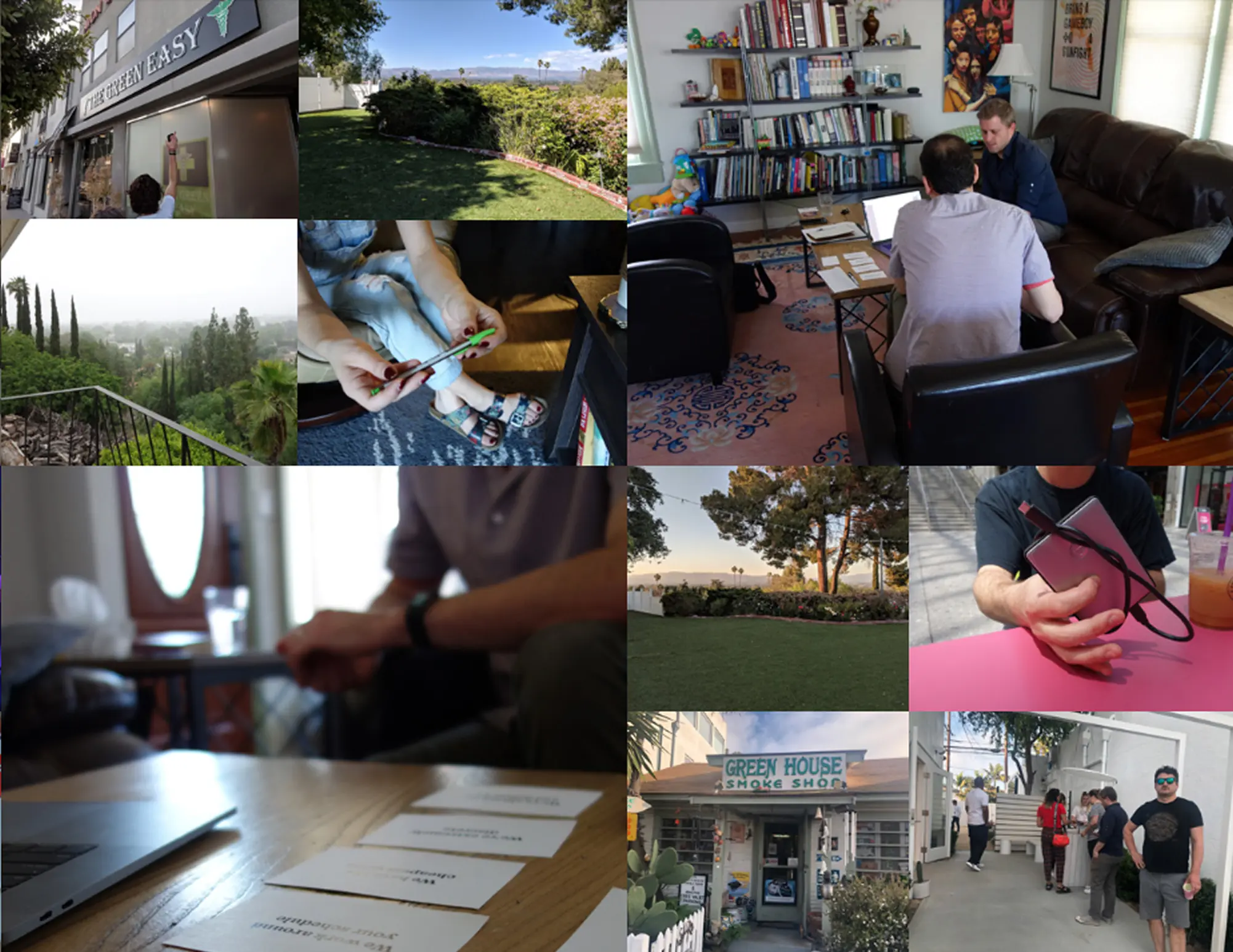
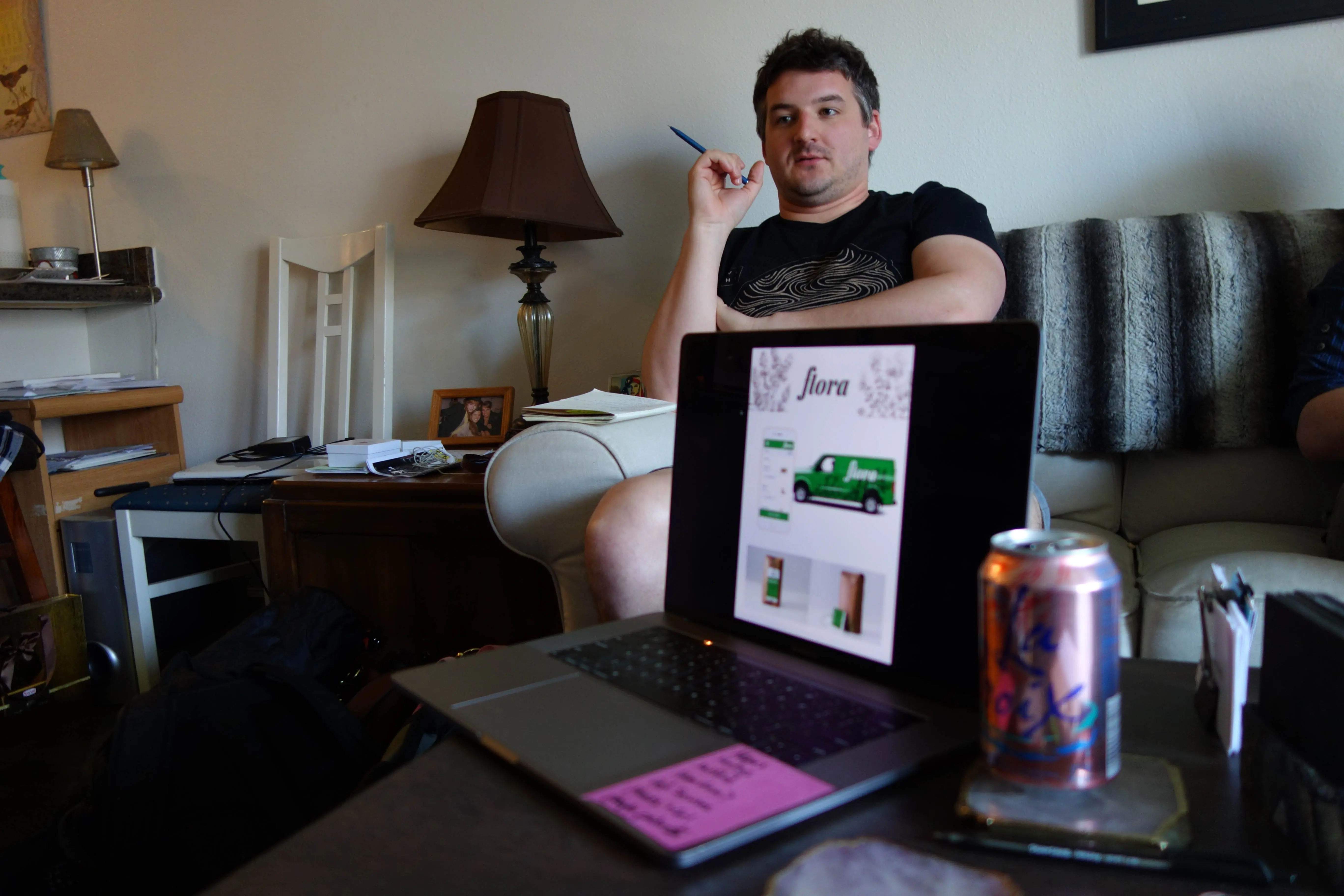
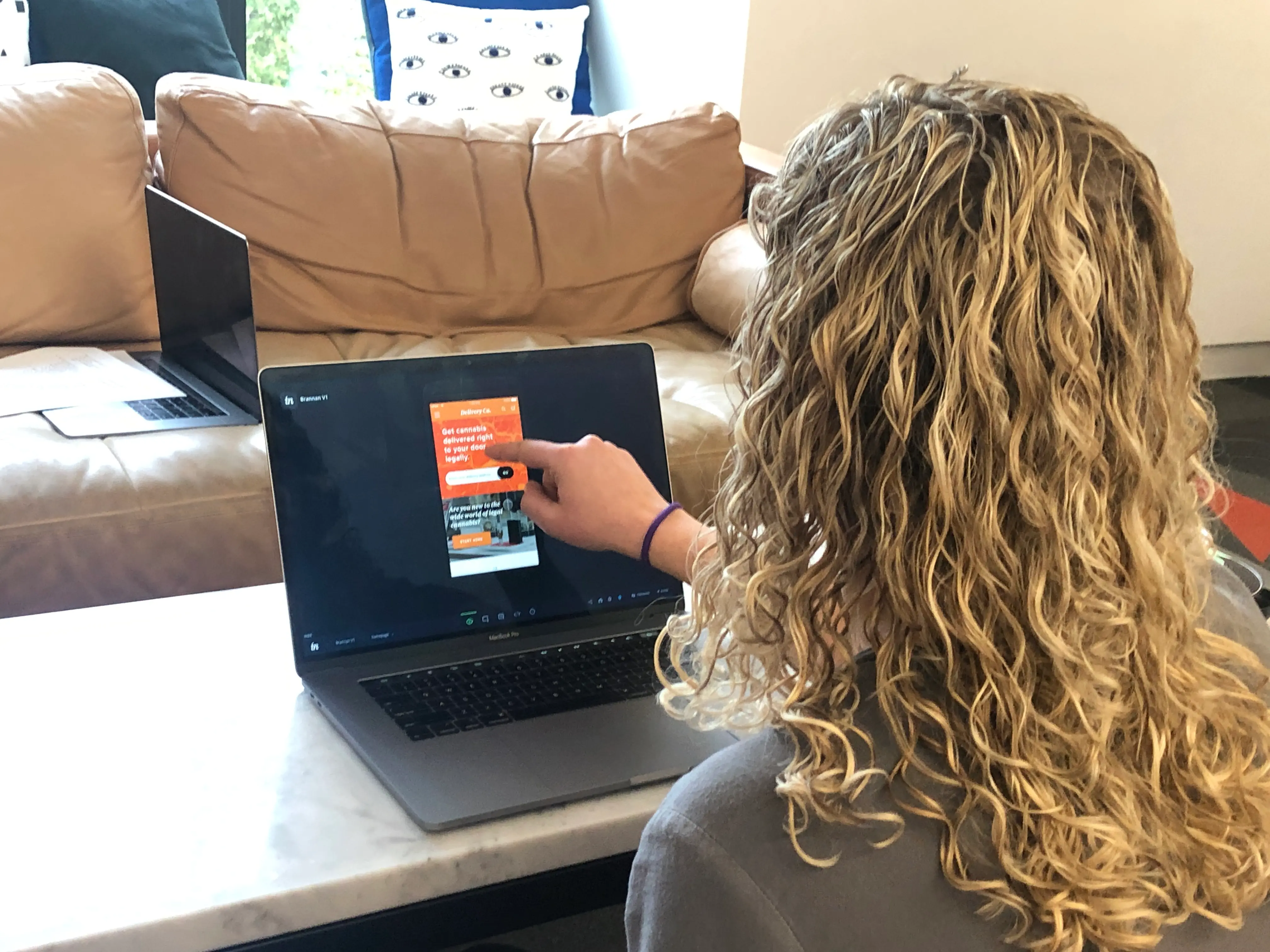
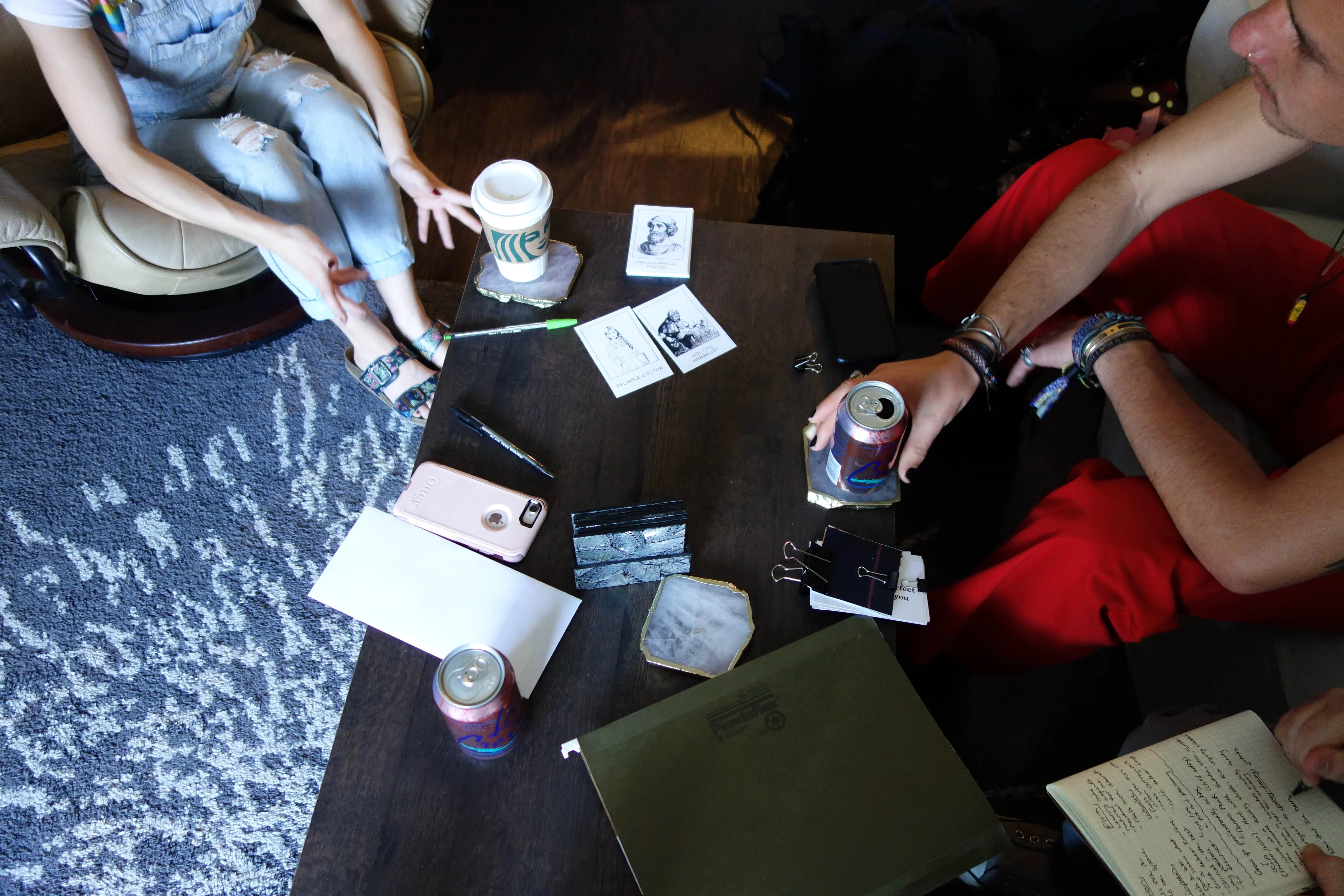
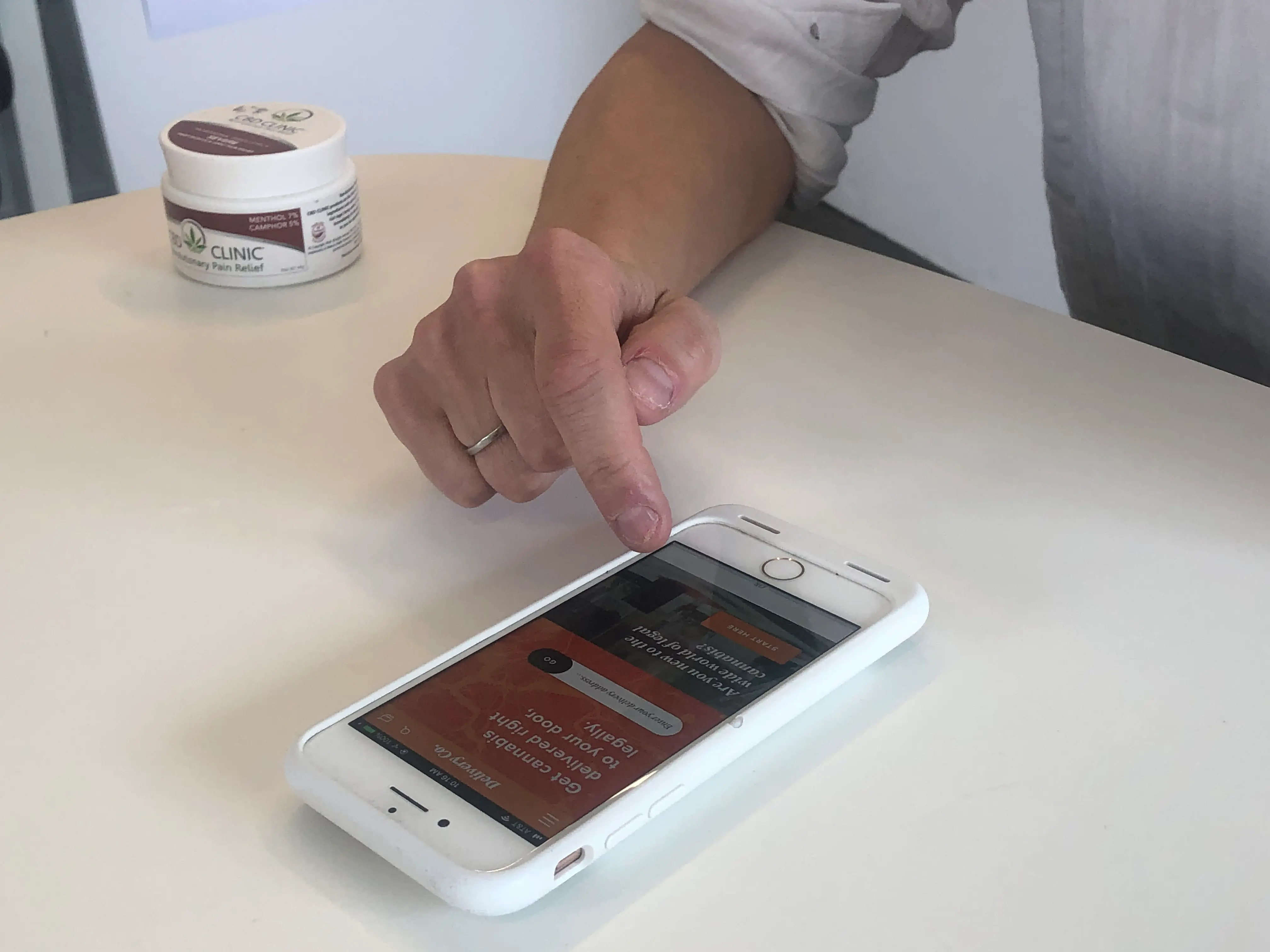
The team conducted research across Boston and Los Angeles, including 2 major cities, 8 dispensaries, 10 delivery services, and 24 users — ranging from anxious newcomers to experienced medical users.
Research Goals
- How might we go beyond what’s legally required to create a responsible cannabis culture?
- What do we stand for in a nascent market? (discretion, choice, quality control, convenience...)
- How might we help bring our value proposition to life, in brand and storytelling?
- What are the key service moments and elements critical for the“MVP” of your first product? (across multiple stakeholders)
Research Insights
- Regardless of their experience level, people entering the legal market stumble to find what works best for them because they suddenly have more options than ever.
- The dark history of cannabis makes socially conscious business more appealing — especially for disenfranchised communities.
- When people buy cannabis, they’re buying fun and self-care. We’re not just delivering products — we’re delivering experiences and feelings.
- People want to feel like they’re in control of their cannabis experience and will go the extra mile for the product and/or service that they want.
- In an industry rife with stigma and doubt, legal market consumers react well to signs of legitimacy.
Design Principles
- Personify the down-to-earth expert
- Help me make informed decisions
- Be a transparent concierge
- Meet me where I am
- Balance delight and discretion
Research Approach
4
Cities
2
Coasts
24
Interviews
5
Weeks
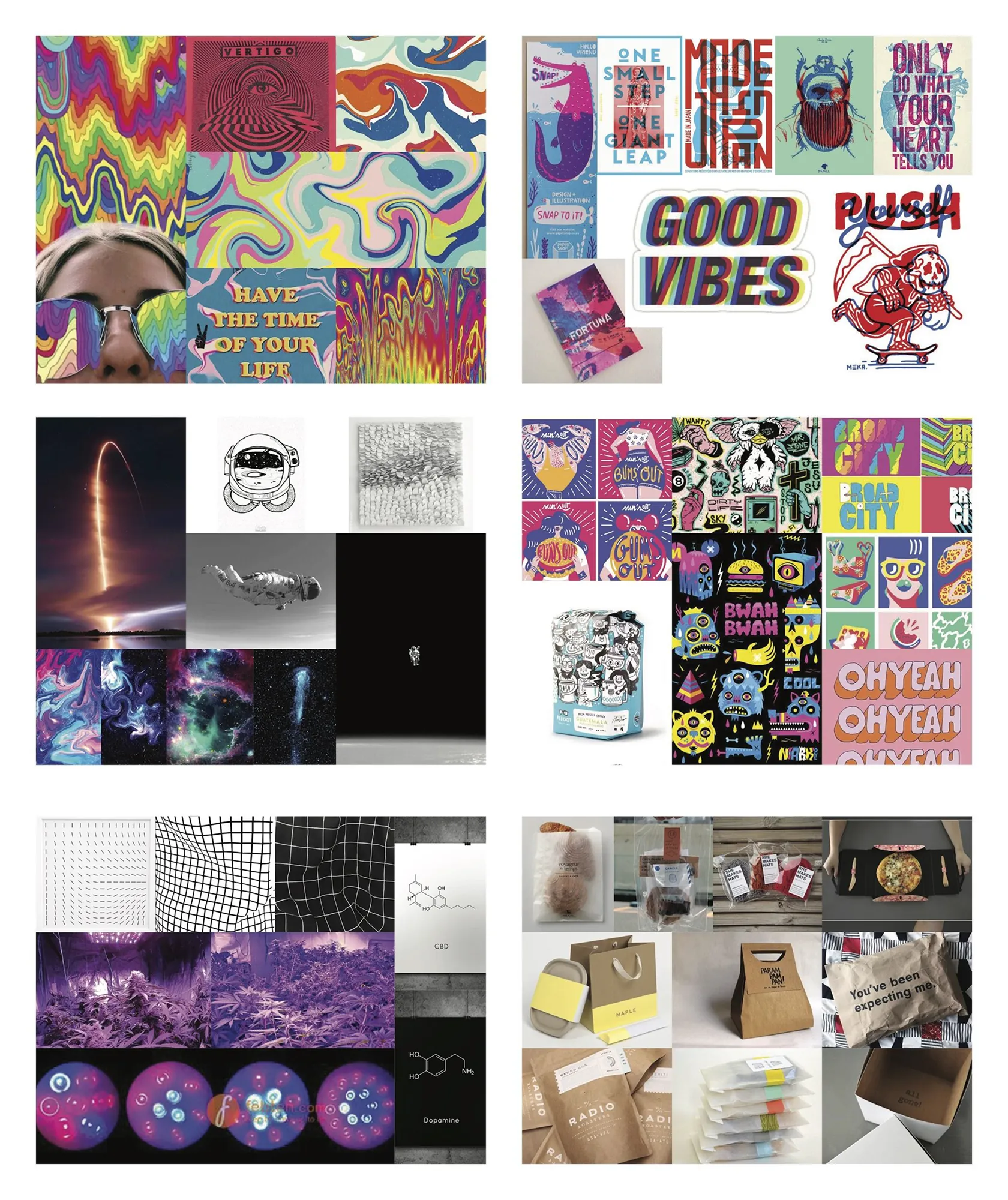

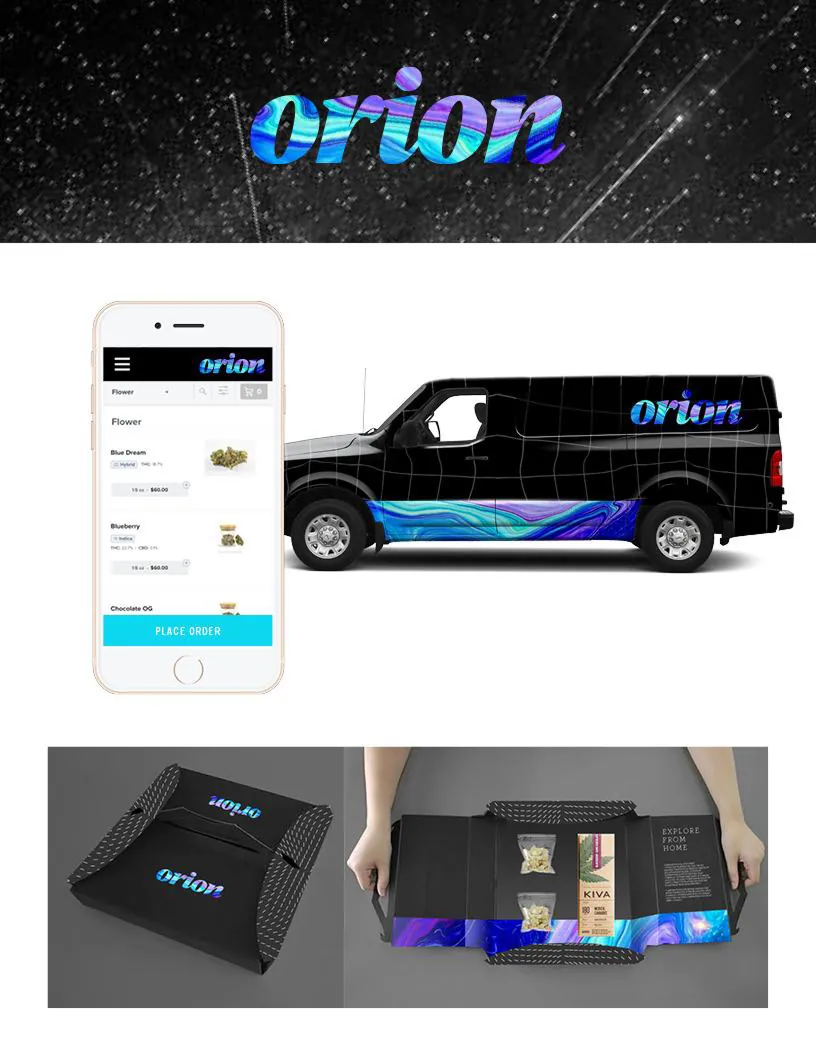
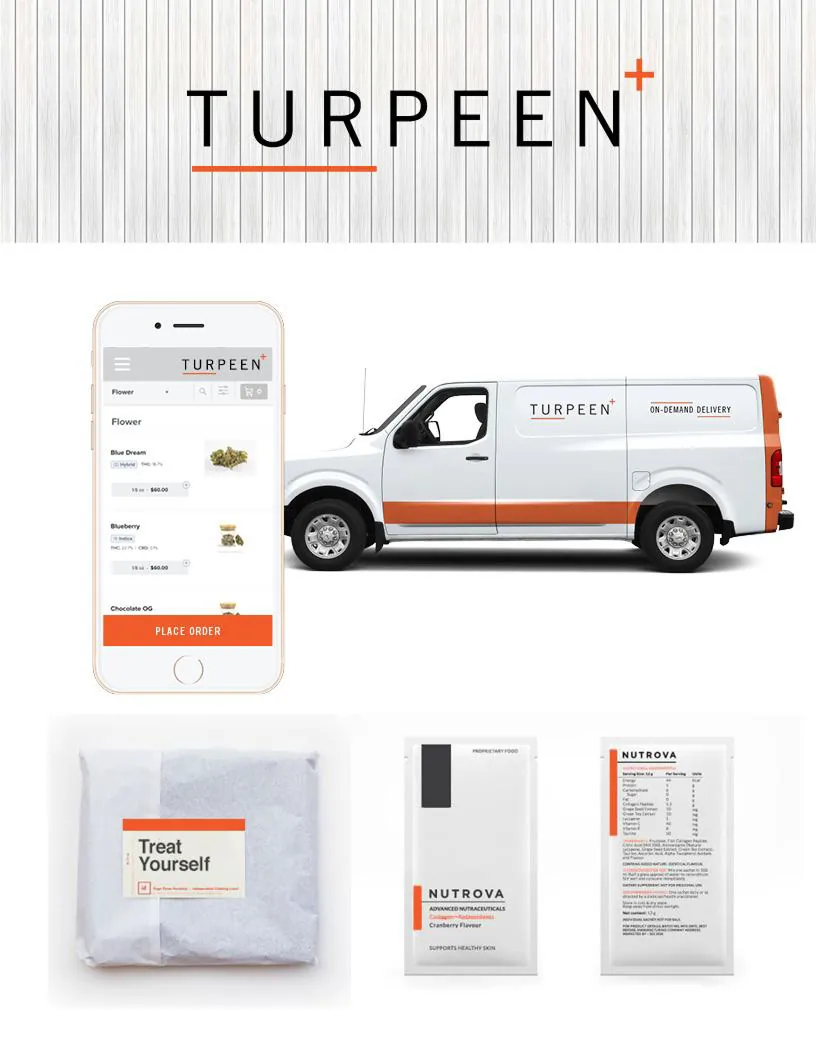
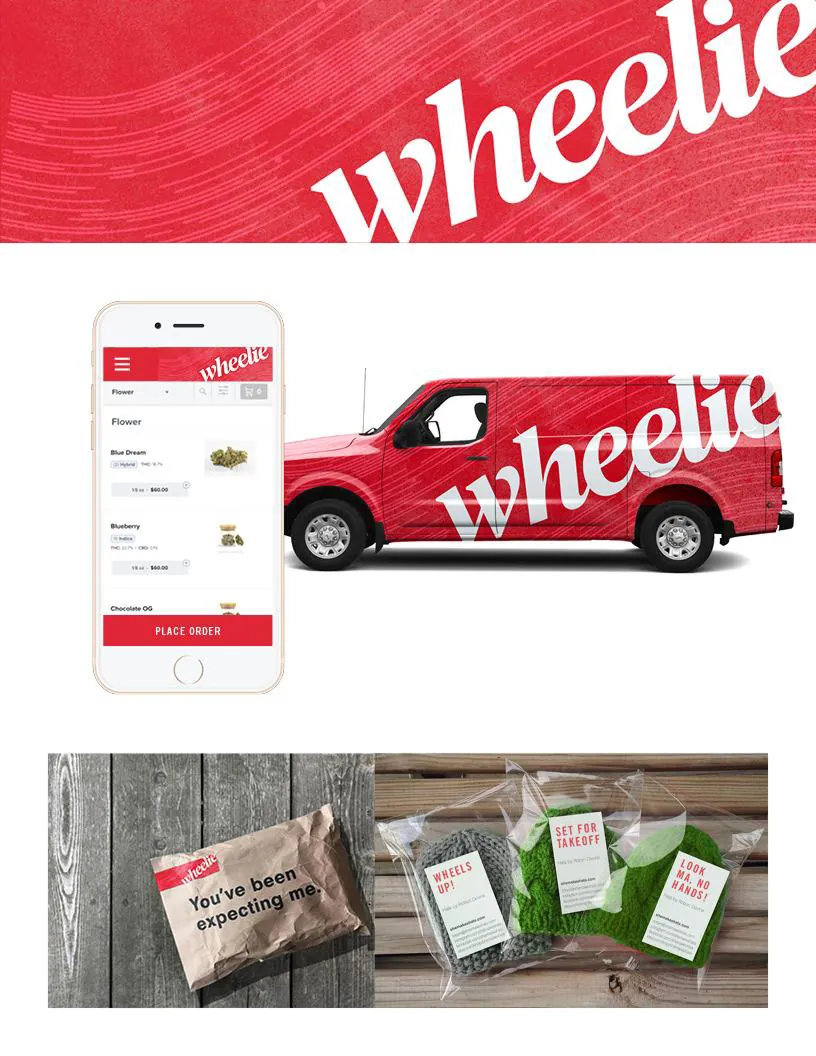

Design Exploration
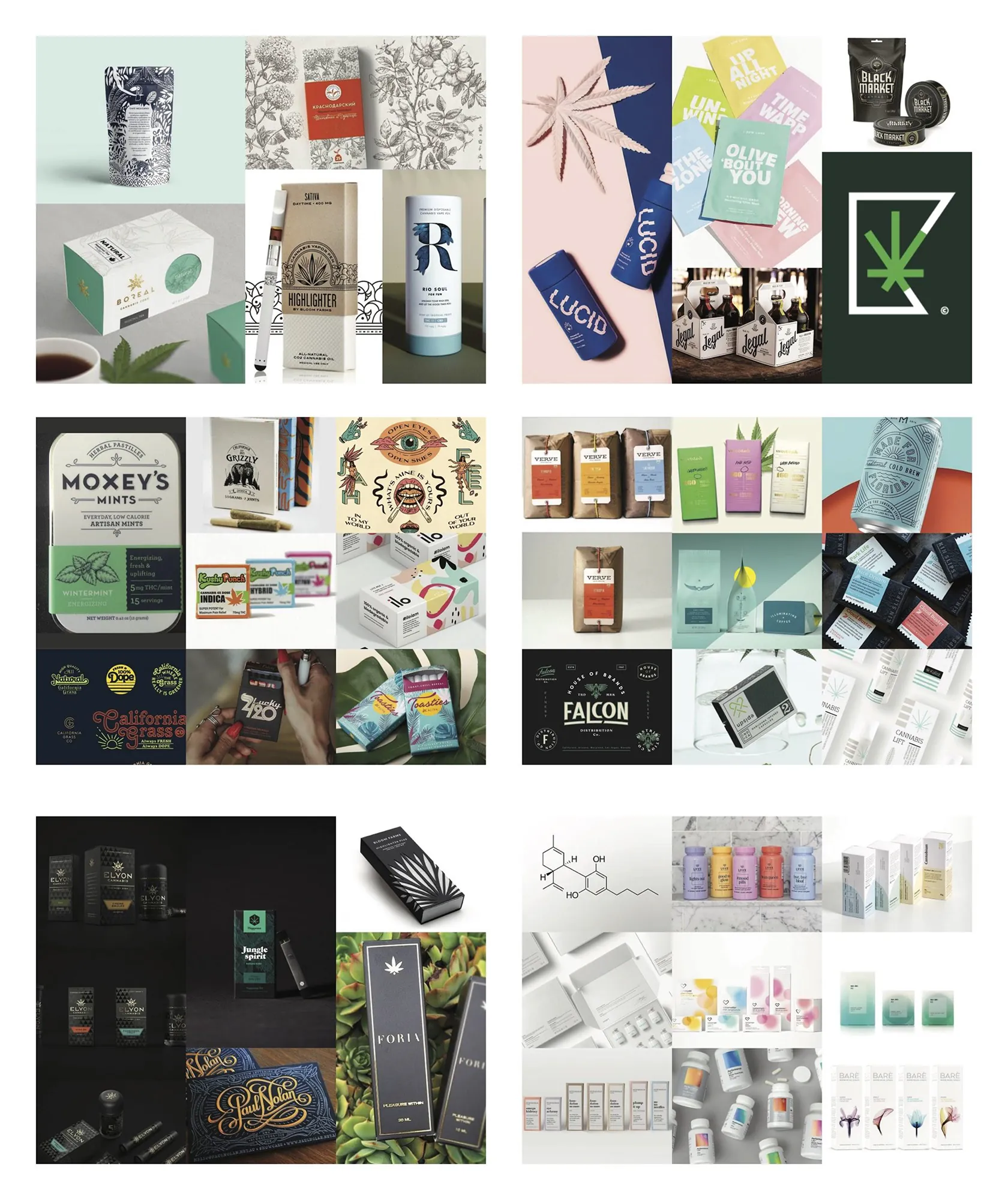
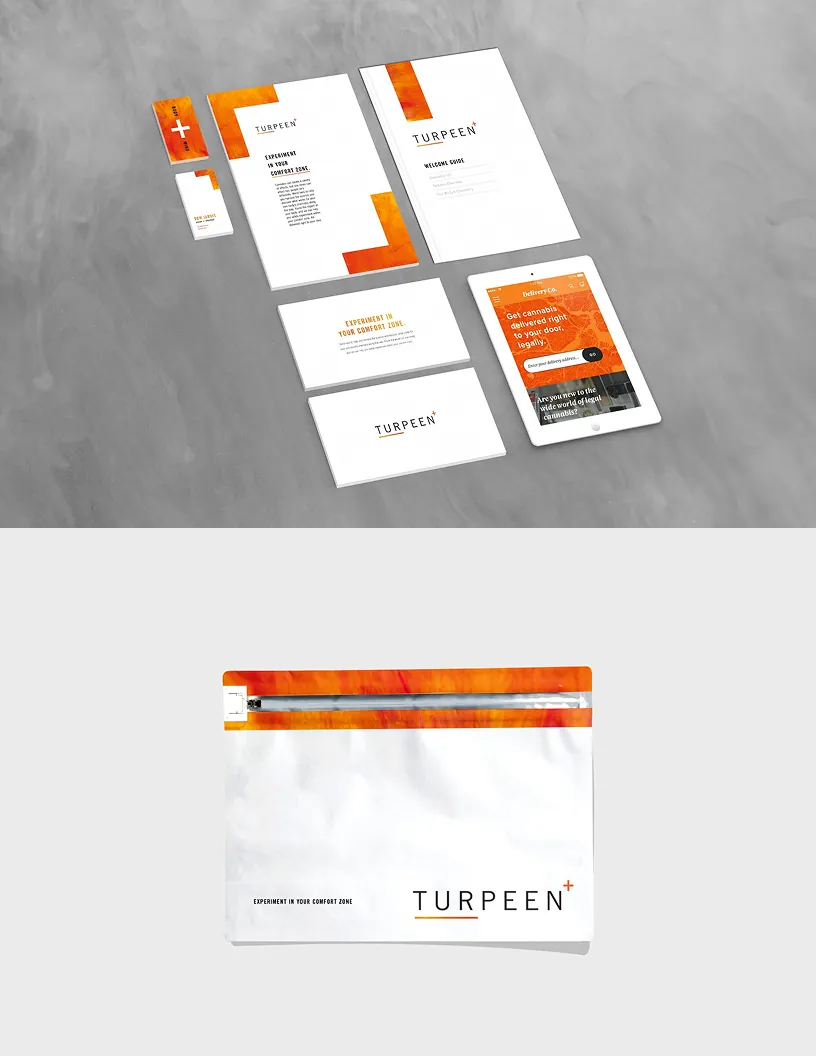
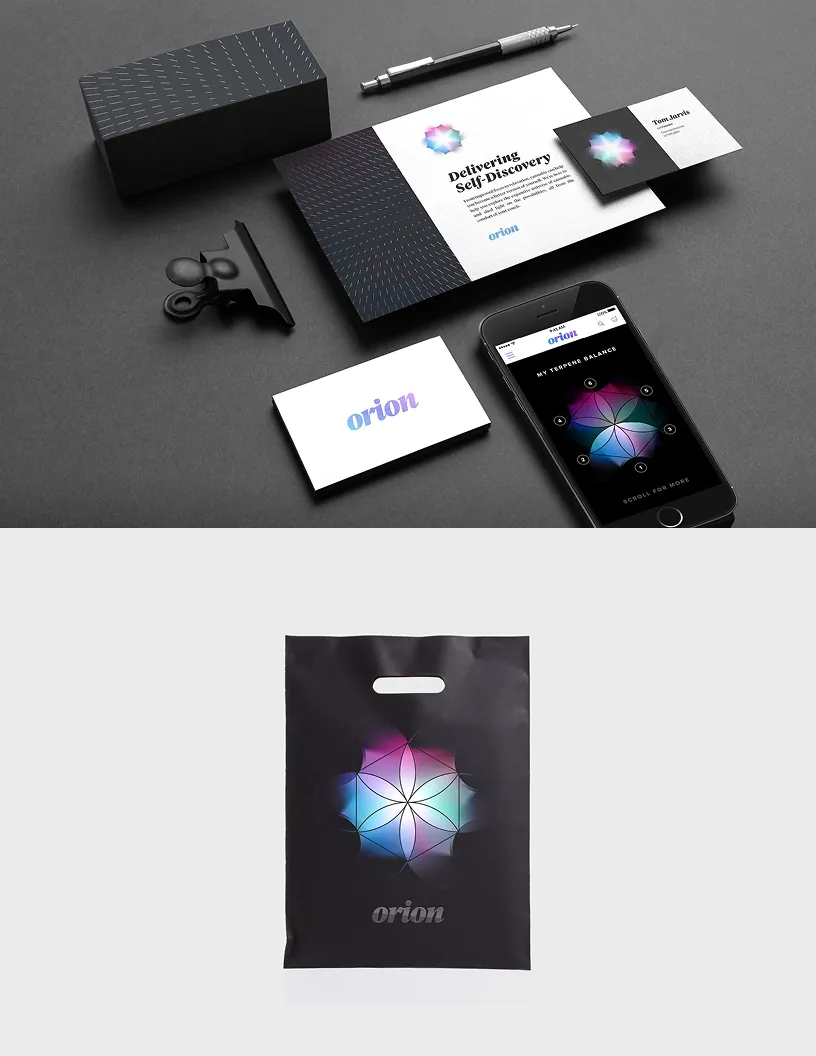
We started with brand expression exploration. Brand elements were created and tested with users over 6 weeks. 4 clear directions emerged as the favorites among users. Based on our research, the brands were not aspirational enough for what the brand needed to represent. Our final round of exploration led us to the creation of the lantern name and brand.




Design Refinement
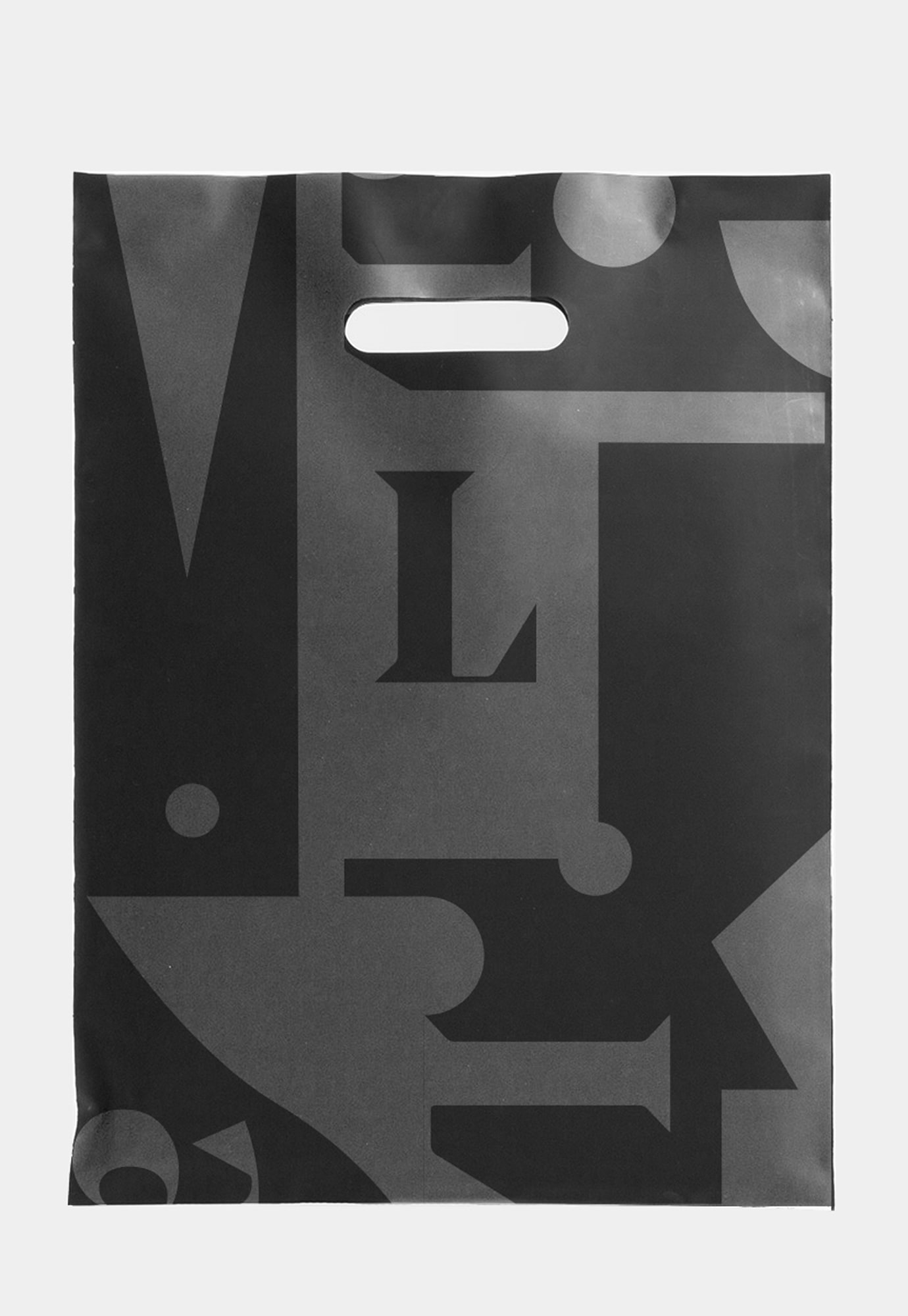
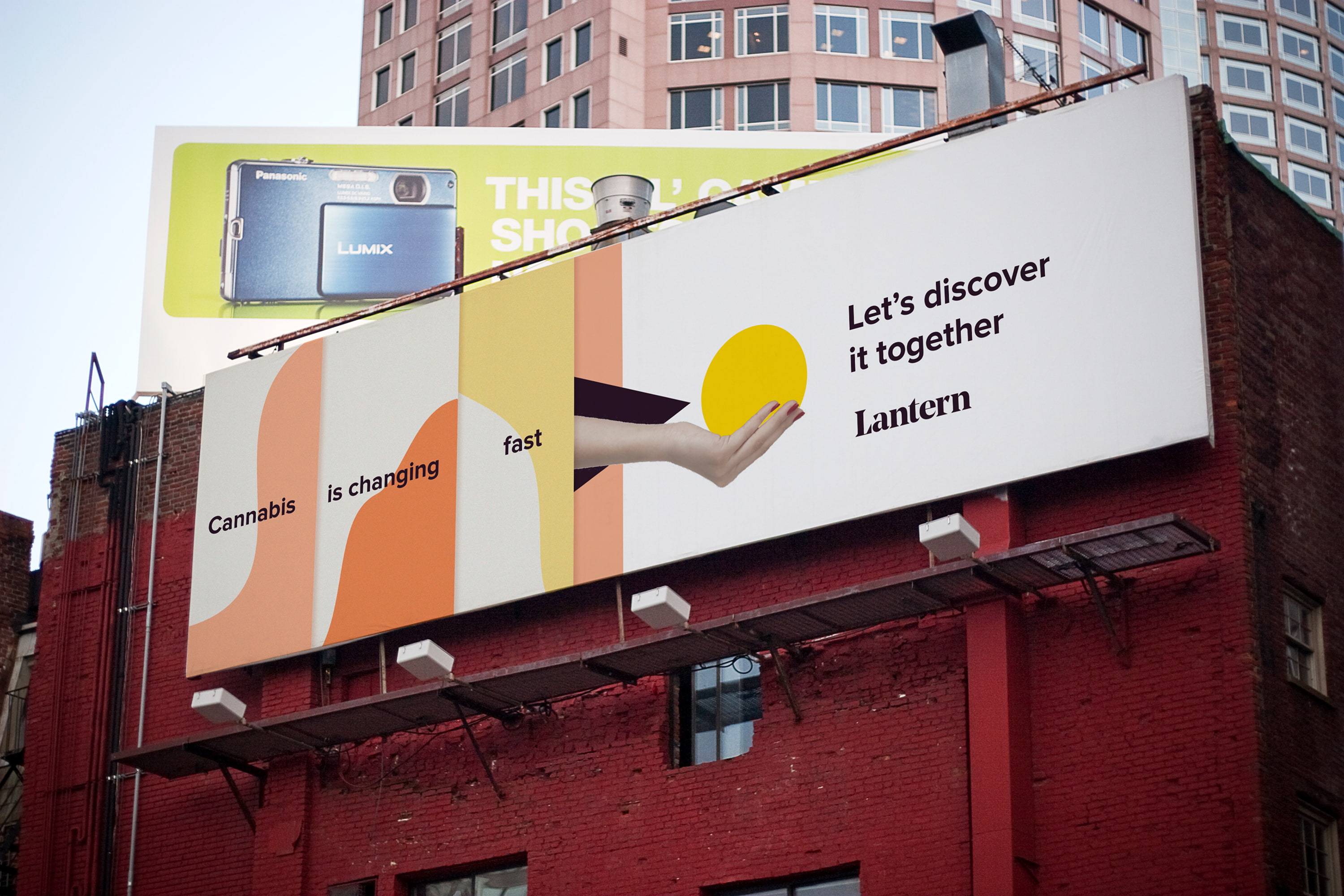
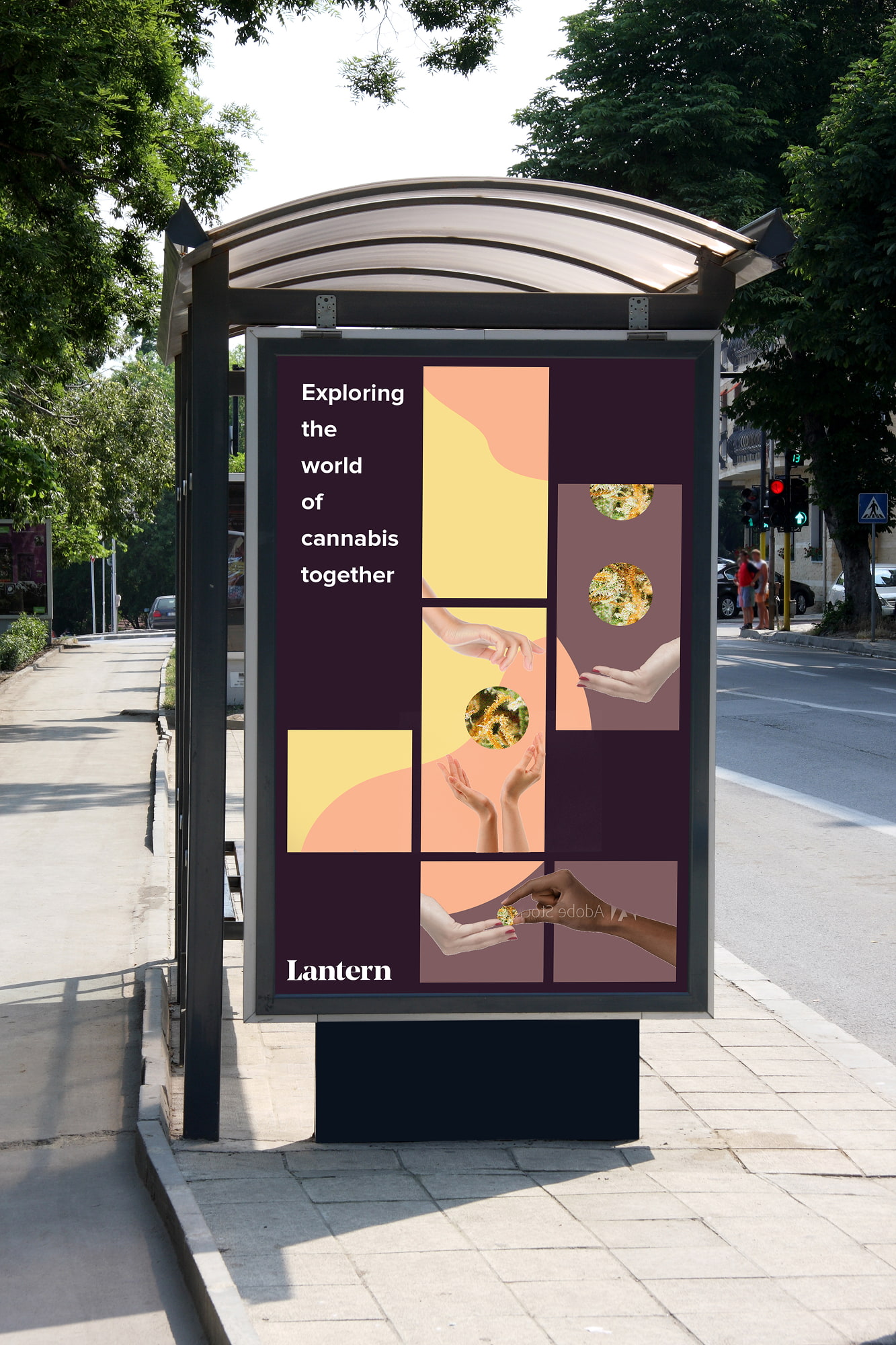
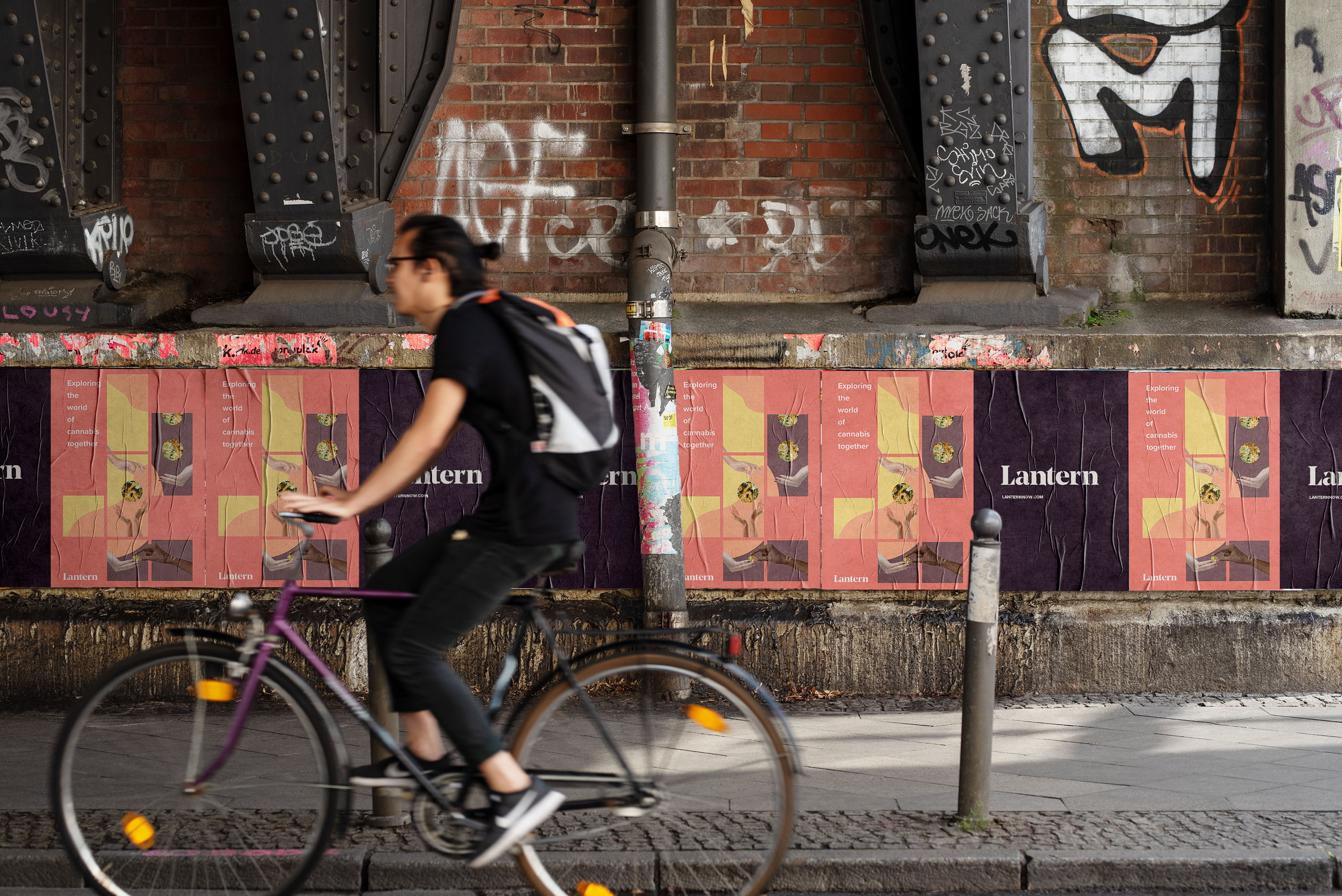
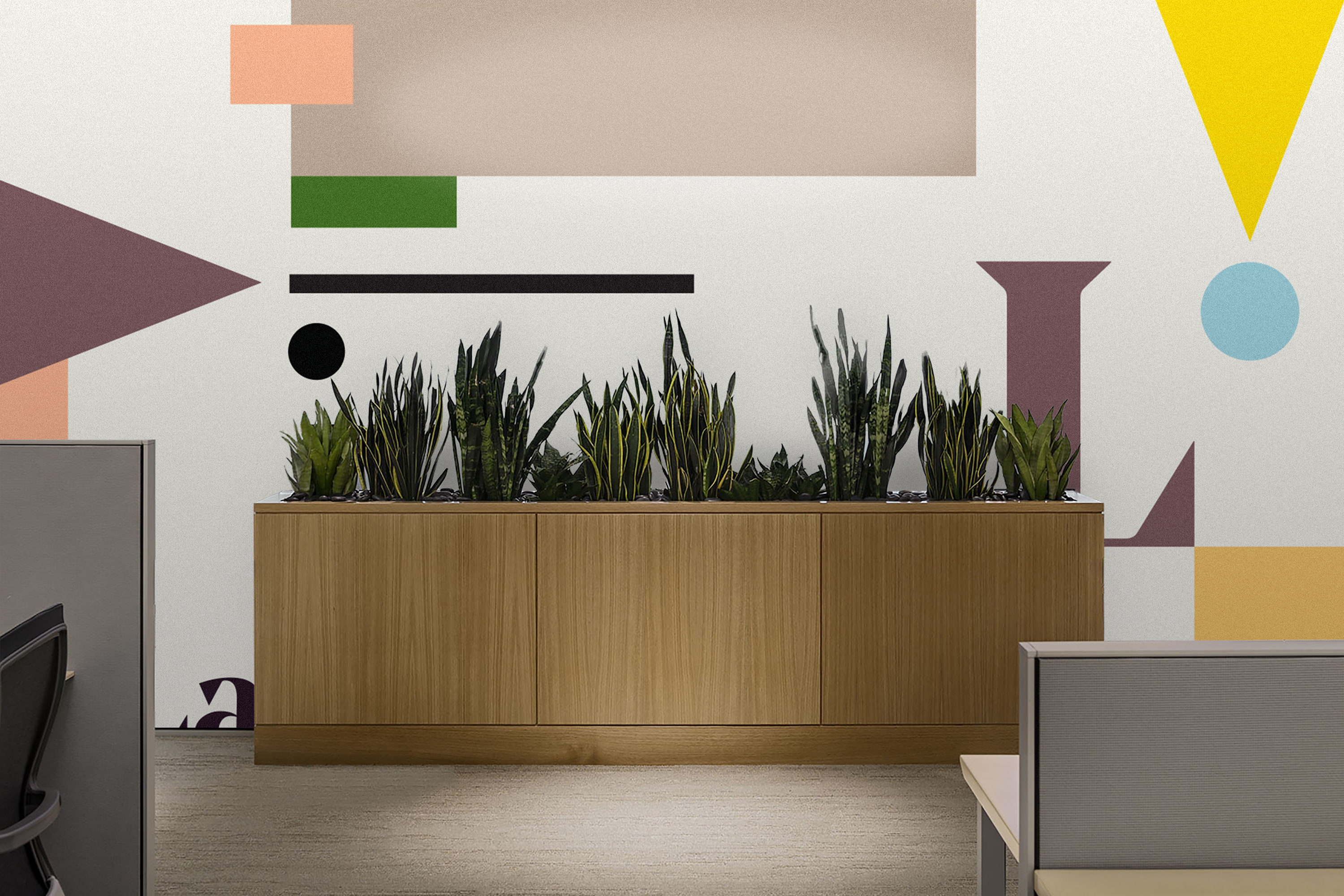
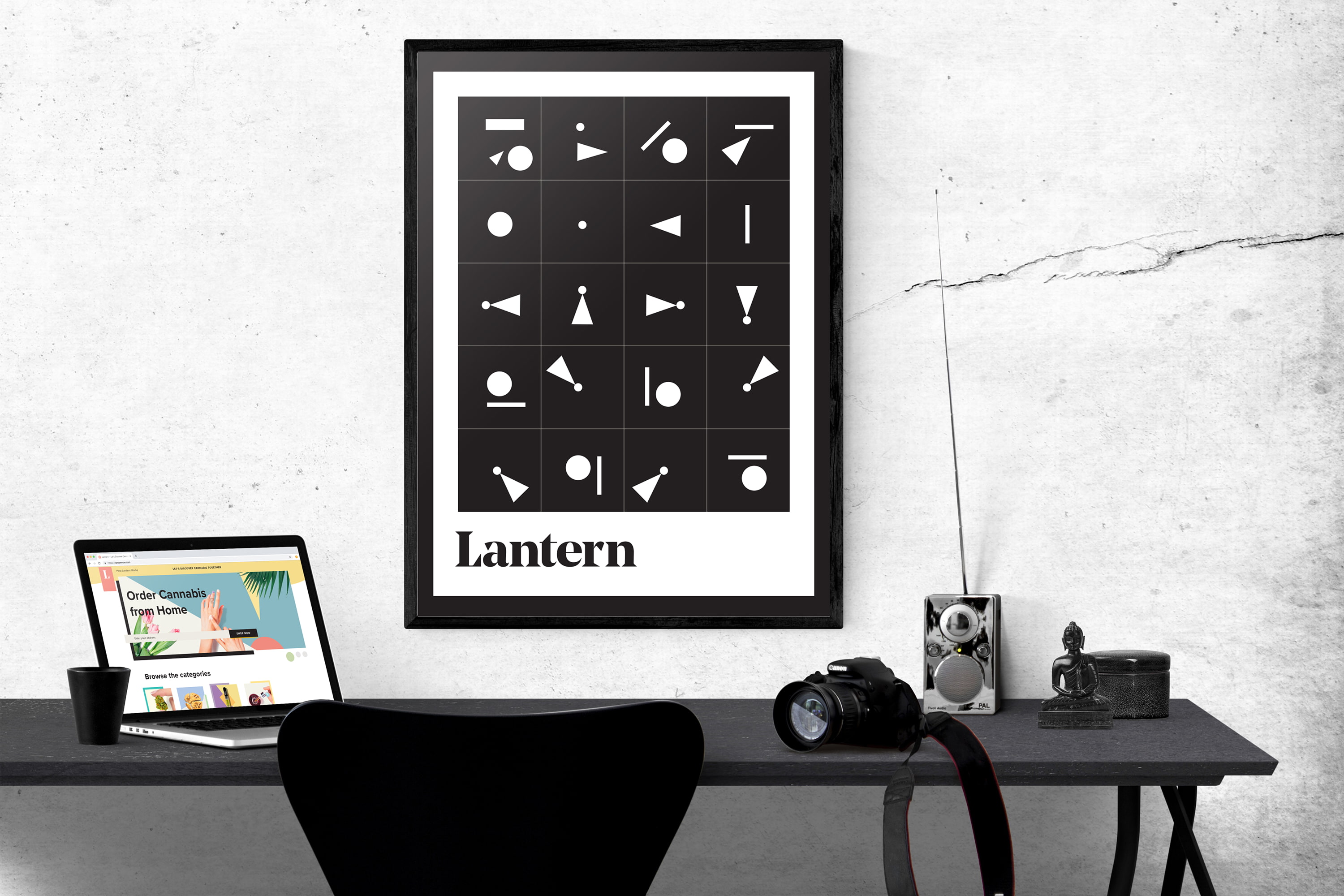
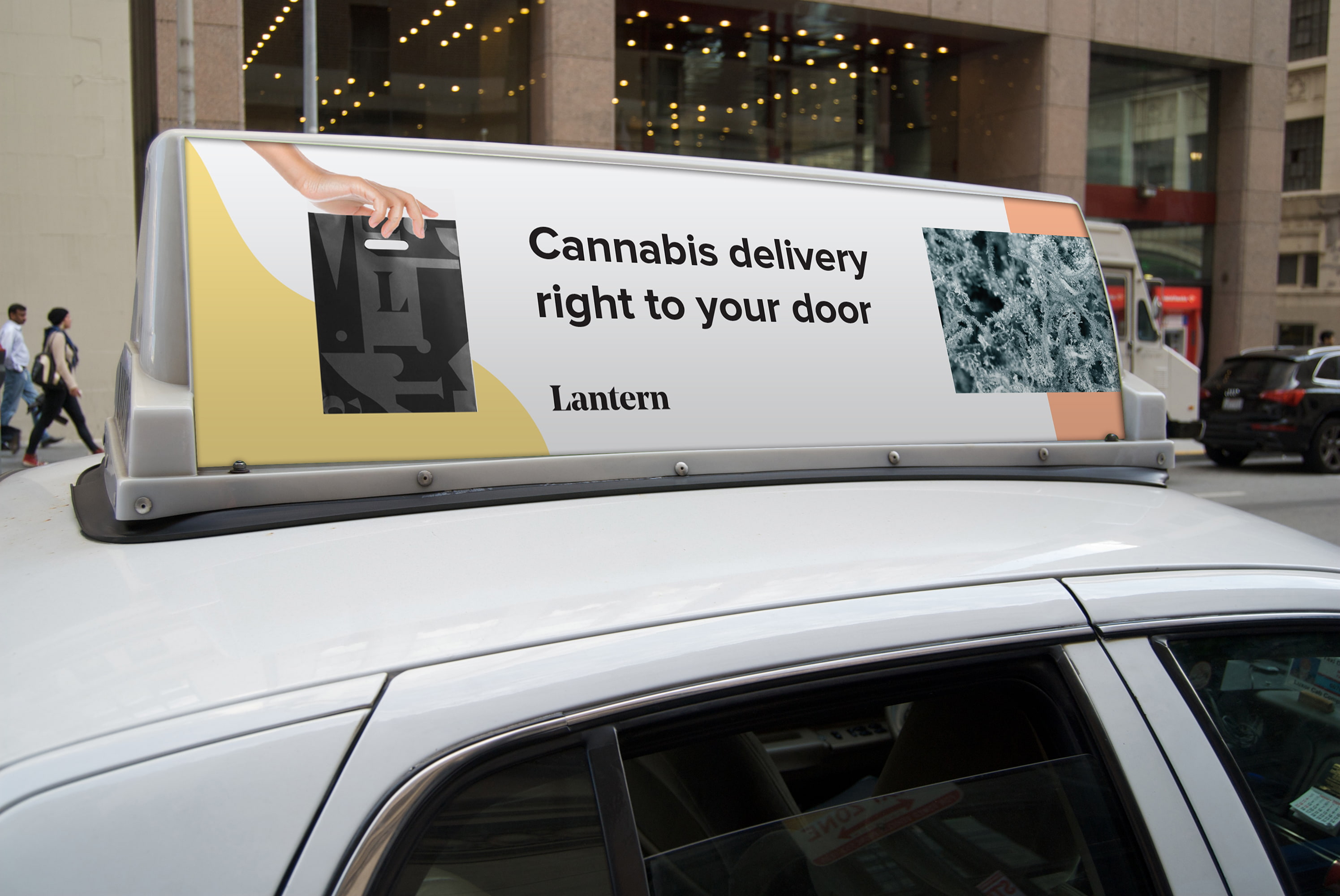
After our exploration, we had a clear direction forward. We crafted the final Lantern brand, logo, colors, and key screens. Brand guidelines were created, bringing the full vision of a new company to life.
“Cannabis is expected to become the final frontier in the e-commerce landscape, and I am thrilled to focus my efforts on fulfilling our company’s long-term vision of bringing transparency, equity, and access to the legal space,”
Justin Robinson, Co-Founder of Lantern and Drizly
Detailed Design